
Author: john

officer writing a ticket to man sitting in his car

What to Do If You Get a Speeding Ticket on Route 13 in Virginia

Ever been caught off guard by those flashing blue and red lights in your rearview mirror while cruising down Route 13 in Virginia? We’ve all been there, and we know how quickly a simple drive can turn into a stressful ordeal. But don’t panic! We’re here to guide you through the process of what to do if you get a speeding ticket on this notorious stretch of road.

Understanding the laws and knowing your rights can make a world of difference when dealing with a speeding ticket. So buckle up as we navigate the ins and outs of Virginia’s traffic laws, offering advice to help you take control of the situation. Remember, a speeding ticket isn’t the end of the road—it’s just a speed bump along the way.

Understanding Speed Limits on Route 13 in Virginia

Virginia’s Route 13 abides by the state’s speed limit laws, which generally stipulate a limit of 55-70 mph on highways, dropping to 25-35 mph in business or residential areas. The limits represent maximum speed during optimal conditions, and drivers should slow down in poor weather or road conditions. Particularly on Route 13, the speed limit is primarily 55-60 mph, but can decrease to 25 mph in town areas like Exmore. Awareness and adherence to these limits help avoid penalties such as speeding tickets.

Receiving a Speeding Ticket

Speeding tickets are unfortunately common on Route 13 in Virginia, making knowledge of the process and consequences essential for any driver.

How Speeding Tickets are Issued

On Route 13, as in most of Virginia, speeding tickets are most often issued by law enforcement officers who’ve clocked a driver’s speed using radar or LIDAR devices. These gadgets accurately measure a vehicle’s speed, providing clear evidence for the officer to issue a ticket. An officer can also issue a ticket based on pacing your vehicle, particularly if the speed exceeds the posted limit by a substantial amount. Remember, remaining civil during the interaction increases the likelihood of a positive outcome.

Consequences of a Speeding Ticket

Upon receiving a speeding ticket in Virginia, a driver faces both immediate and long-term consequences. Immediately, there’s a fine that varies depending on the speed over the limit, with fines typically starting at around $6 per mile over. Additional court costs could increase the total significantly. In the long term, drivers accumulate demerit points on their driving record, potentially causing insurance rates to rise and licenses to be suspended or revoked based on the severity of the offense or repeated violations. Delinquency in paying the fine can even lead to license suspension.

The intricacies of dealing with a speeding ticket on Route 13 involve understanding when to contest the ticket and knowing how to attain legal assistance if needed. An informed approach is your optimal path to handling this predicament.

When to Contest the Speeding Ticket

Disputing a speeding ticket isn’t always warranted; hence, discerning the best course of action is vital. Contest the ticket if there’s a factual error, such as a wrong traffic code or inaccurate vehicle description. Another reason is suspecting an error in the officer’s speed measurement, such as a radar device malfunction. You might also consider contesting if you believe it’ll lead to severe consequences like license suspension due to prior offenses.

How to Contact an Attorney

Contacting an attorney for legal counsel can be elemental in your defense strategy. Begin by conducting local attorney searches, using online directories like the Virginia Bar Association’s list, or acquiring referrals from individuals previously in similar situations. Check for attorneys specializing in traffic laws; this can be crucial considering the particularity of such cases. Contact potential attorneys via phone or email. Ensure to summarize your case succinctly for valuable initial feedback.

Getting a speeding ticket on Route 13 can be challenging, but understanding the process helps.

Steps to Take After Receiving a Ticket:

  • Document the incident and check for errors on the ticket.
  • Pay the fine promptly (if not contesting) to avoid further penalties like license suspension.
  • Consult a traffic attorney for expert advice and potential defense.

Preparing for a Court Hearing:

  • Gather evidence and know the speed limit in the area.
  • Maintain a clean driving record for a better outcome.
  • Rely on an attorney to help reduce or dismiss charges.
  • Dress appropriately and be punctual for court.

Prevention and Safe Driving

Preventing speeding tickets requires safe and attentive driving, particularly on Route 13 in Virginia due to its changing speed limits. Following the legal speed limits, practicing defensive driving, being aware of changing conditions, and regularly checking your speedometer is crucial. Town areas like Exmore often change their speed limits. For additional safety information, the Virginia Department of Motor Vehicles and the Virginia Highway Safety Office can provide valuable resources, traffic laws, and safety education. The AAA also offers defensive driving courses to encourage road safety compliance.

Conclusion

In summary, receiving a speeding ticket on Route 13 in Virginia can be a stressful experience, but understanding the laws, your rights, and the steps to take can make all the difference. We’ve walked through the key aspects—from speed limits and how tickets are issued to the potential consequences and how to prepare for a court hearing. We’ve also emphasized the importance of safe driving to avoid future tickets.

Navigating this process with the right legal support is essential, especially when the stakes are high. If you’ve received a speeding ticket or are facing other traffic violations, let the experienced team at Driving Defense Law guide you through it. Our attorneys are here to protect your rights and help you achieve the best possible outcome. Contact us today for expert legal assistance and take control of your driving record!

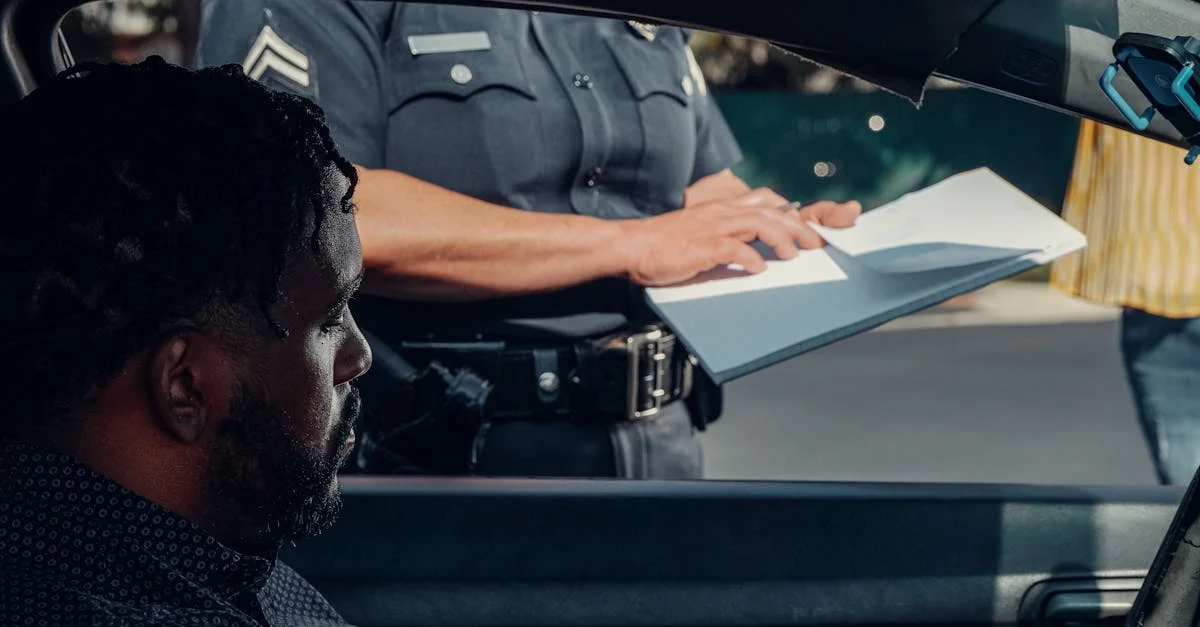
image of a tunnel with the lights from cars

Why You Need a Lawyer for a Speeding Ticket on the Chesapeake Bay Bridge-Tunnel

Receiving a speeding ticket on the Chesapeake Bay Bridge-Tunnel (CBBT) can be a daunting experience, not just because of the picturesque yet intimidating crossing but also because of the complexities involved in handling traffic violations in such a unique and busy area. The CBBT’s distinctive combination of bridges and tunnels makes it a critical transportation link, and any infractions here can have significant implications. Navigating the legal and procedural aspects of a speeding ticket requires expertise, making a knowledgeable traffic lawyer an invaluable asset in these situations.

Understanding Speeding Ticket Laws on the Chesapeake Bay Bridge-Tunnel

Speed limits on the Chesapeake Bay Bridge Tunnel are strictly enforced due to the high traffic volume and the critical nature of this crossing. Typically, speed limits are set lower than on regular highways, reflecting the need for safety on this complex structure. Violating these speed limits can lead to substantial fines, demerit points on your driving record, and even increased insurance premiums. The CBBT’s unique layout, including its tunnels and bridges, adds an additional layer of complexity to how these laws are enforced and understood.

Reasons You Need a Lawyer for Your Speeding Ticket

Navigating a speeding ticket received on the Chesapeake Bay Bridge-Tunnel calls for expertise only a seasoned lawyer can provide. Let’s explore the critical reasons why obtaining legal representation ought to be your first line of action.

  • Complex Traffic Regulations: The speed limits and traffic regulations specific to the CBBT can be confusing. A lawyer who understands these regulations can help clarify any uncertainties and ensure that you are fully informed about your rights and obligations.
  • Avoiding Increased Penalties: Speeding violations on the CBBT can result in significant fines and demerit points. An experienced traffic lawyer can work to reduce these penalties, potentially saving you money and avoiding the long-term impact on your driving record.
  • Navigating the Legal Process: From contesting the ticket to preparing for court, the legal process can be complex and overwhelming. A lawyer will guide you through each step, ensuring that all paperwork is properly filed and deadlines are met.
  • Potential for Ticket Dismissal: An attorney can identify any errors or inconsistencies in the ticket or the circumstances surrounding it, which could potentially lead to a dismissal or reduction of the charges.
  • Preserving Your Driving Record: A traffic violation can have lasting effects on your driving record and insurance rates. A lawyer’s expertise in negotiating with the court can help mitigate these impacts, preserving your driving record and keeping your insurance premiums manageable.

Selecting the Right Speeding Ticket Lawyer

Choosing the right lawyer for a speeding ticket is crucial. Here, we’ll explore what to look for in a lawyer and common mistakes to avoid during the hiring process.

Traits to Look for in a Speeding Ticket Lawyer

First, consider prior experience in traffic violation cases. Experienced lawyers can often navigate the legal system more efficiently. Second, communication skills matter. It’s crucial for lawyers to articulate your case clearly and convincingly. Lastly, consider recommendations. Positive reviews from past clients indicate an attorney’s competence. These fundamental traits – experience, communication abilities, and commendations – make an effective speeding ticket lawyer.

Mistakes to Avoid While Hiring a Speeding Ticket Lawyer

One major pitfall is neglecting to verify lawyers’ qualifications. Always verify if they’re legally certified to practice in your state. Another common mistake is not discussing fees upfront. Determine all costs to avoid unexpected charges. Lastly, not checking previous clients’ feedback can be risky. Reviews provide insights into lawyers’ expertise and professionalism. Avoid these mistakes—overlooking qualifications, not discussing fees, and disregarding client feedback—for a successful legal partnership.

Conclusion

Handling a speeding ticket on the Chesapeake Bay Bridge-Tunnel requires more than just paying a fine. The complexities of traffic laws, the potential for significant penalties, and the impact on your driving record make it crucial to seek professional legal assistance. By enlisting a skilled traffic lawyer, you can navigate the legal process effectively, reduce potential penalties, and safeguard your driving record. If you’ve received a speeding ticket on the CBBT, don’t hesitate to contact Driving Defense Law for expert guidance and support. Our experienced attorneys are here to help you achieve the best possible outcome and get back on track.

officer giving a ticket

Out-of-State Drivers: What to Know About Virginia Speeding Tickets

Navigating the open road can be a thrilling experience, but it’s not without its pitfalls – especially when you’re an out-of-state driver unfamiliar with local traffic laws. In Virginia, this can be particularly tricky as the state’s speeding laws are known for their strict enforcement.

Whether you’re a seasoned road-tripper or a first-time visitor, understanding Virginia’s speeding ticket protocols is crucial. We’re here to shed light on this often confusing topic, providing you with essential knowledge and practical tips to avoid any unpleasant surprises on your journey. Buckle up as we delve into the complexities of Virginia speeding tickets for out-of-state drivers.

Understanding Speeding Laws in Virginia

Speeding in Virginia is defined as exceeding posted maximum speed limits or driving too fast for conditions, even if within the speed limit. The penalties for speeding vary, with minor offenses typically resulting in fines, demerit points, and increased insurance premiums. More serious infractions, such as reckless driving (speeding 20 mph over the limit or above 85 mph), can even lead to jail time.

Impact of Out-of-State Driver Status

Virginia’s approach to handling out-of-state speeders can leave an impact on a driver’s record. This impact is determined by Virginia’s laws and the home state’s agreement on reciprocity.

How Virginia Handles Out-of-State Speeders

In the Commonwealth of Virginia, the law does not differentiate between resident and non-resident motorists. All drivers, irrespective of their state of origin, remain liable to the same speeding regulations. The Commonwealth posts and enforces speed limits strictly, showing no leniency based on the driver’s state of origin. Therefore, an out-of-state driver caught speeding is liable for a fine, similar to a Virginia resident.

Reciprocity Among States

The effect of a speeding ticket from Virginia on an out-of-state driver’s record primarily depends on the Department of Motor Vehicles (DMV) practices in their home state. The Driver License Compact (DLC), an agreement among 45 states and the District of Columbia, promotes the sharing of driver violation information. Yet, such reciprocity varies. Some states, through this agreement, apply demerit points for out-of-state violations. Others may only track violations but not assign points. Hence, the weight of a Virginia speeding ticket alters based on the home state’s specific regulations and agreement terms.

Out-of-State Drivers and Virginia Speeding Tickets: The Process

This section outlines what out-of-state drivers should expect if they receive a speeding ticket in Virginia, including steps to follow when pulled over and actions to take afterward.

Getting Pulled Over: What to Expect

  • Stay Calm: Remain composed and keep your hands visible, ideally on the steering wheel.
  • Follow Instructions: Adhere to the officer’s directions and be prepared to provide your identification and driving documents.
  • Ask Questions: You can politely ask why you were stopped.
  • Understand Charges: In Virginia, exceeding the speed limit by 20 mph or more, or traveling over 85 mph regardless of the limit, may result in a reckless driving charge.

Post-Ticket Procedures for Out-of-State Drivers

  • Review the Ticket: Carefully read the ticket for information on the fine amount and court date.
  • Pay the Fine: Typically, fines need to be paid before the court date mentioned on the ticket. Ignoring the ticket can lead to a bench warrant.
  • Contact a Lawyer: Reach out to a Virginia speeding ticket attorney to understand the impact on your driving record and insurance rates, considering your home state’s reciprocity rules with Virginia.
  • Adjust Driving Habits: Make necessary driving adjustments to avoid future violations and ensure safer travels on Virginia roads.

Special Considerations for Out-of-State Drivers in Virginia

In this section, let’s delve into specific issues that out-of-state drivers often ask about – mainly, contesting a ticket from out-of-state and impacts on insurance and driving records.

Can You Contest the Ticket from Out-of-State?

Yes, you can. However, it’s not as straightforward as for a Virginia resident. An out-of-state driver must either travel back to Virginia for the scheduled court date or hire a local attorney to represent them. Nevertheless, it is vital to show up for your court date – without representation, there could be severe consequences, like the issue of a bench warrant.

Impact on Your Insurance and Driving Record

A Virginia speeding ticket does have the potential to influence a driver’s record and insurance rates, depending on the practices of their home state’s DMV and the individual’s auto insurance company. For instance, states within the Driver License Compact (DLC) share driver violation information. As such, a driver’s violation in Virginia can impose demerit points on their record in their home state. Insurance increases also vary – some companies may raise rates significantly after just one minor speeding ticket, while others may ignore a first offense.

Practical Advice for Out-of-state Drivers in Virginia

As spotlighted previously, Virginia’s speeding laws present unique challenges for out-of-state drivers. However, a well-prepared driver can navigate these regulations with ease. Let’s delve into sound advice to avoid encounters with speeding tickets and best practices if one lands in your hands.

Tips to Avoid Speeding Tickets

Observing speed limit signs might be a no-brainer, but it’s one surefire way to avoid a speeding ticket. Virginia’s diverse weather conditions can also affect the adequacy of your speed, so adjust it during inclement weather. Utilizing navigational aids or apps can also help alert you to changes in speed zones. Remember, some areas in Virginia employ speed cameras, so continuous vigilance pays off.

Handling Speeding Tickets: Dos and Don’ts for Out-of-State Drivers

When you’ve received a speeding ticket, keep your composure. Follow the officer’s instructions and limit your dialogue. Afterward, ensure that you thoroughly understand all details on the ticket, including the fine and court date. Ignoring the citation could lead to unfavorable results, such as bench warrants. Consulting a Virginia traffic attorney can provide insights into your situation and potential impacts on your driver’s record and insurance. Keep in mind that contesting a ticket requires your presence in court or hiring an attorney to represent you. Sticking to these do’s and don’ts can minimize any negative repercussions.

Conclusion

So, we’ve explored the essentials of Virginia’s speeding laws, particularly for out-of-state drivers, and highlighted the importance of understanding these regulations due to their potential impact on your driving record and insurance rates. Virginia enforces its rules consistently, regardless of where you’re from.

We’ve also discussed how your home state’s DMV practices and insurance policies might be affected by a Virginia speeding ticket. Staying calm, following the officer’s instructions, and carefully reviewing the citation details are crucial steps in managing the situation effectively.

If you find yourself facing a speeding ticket in Virginia, don’t overlook it. Reach out to Driving Defense Law for expert legal assistance. Our experienced attorneys can help you navigate the complexities of your case, explore your options, and potentially contest the ticket. With the right support and guidance, you can address the ticket effectively and maintain confidence while driving. Contact us today to get the help you need and ensure the best outcome for your situation.

Soldier in the military potentially dealing with how convictions affect military service, shown in handcuffs.

Military With A Felony: How Convictions Affect Military Service

Felony convictions can alter the lives of all Americans. However, military service members may face different challenges compared to average civilians after conviction. Soldiers often feel uncertain about dishonorable discharges from the military with a felony, and new recruits may worry about rejections based on their criminal records. Whatever the case may be, defendants can discuss their unique concerns and priorities with an experienced military defense attorney in Virginia. Driving Defense Law has experience with defending military service members, and we may be able to provide further insights during a consultation. Consider calling  (757) 929-0335 to begin this discussion today. 

Will I Get a Felony Conviction for Off-Base Crimes in Virginia?

The Uniform Code of Military Justice (UCMJ) does not follow the same sentencing guidelines as state or federal criminal courts. There is no such thing as a “felony” according to the UCMJ, and it is therefore impossible to face a felony conviction for an offense tried in a military court. That being said, not all military offenses are tried in military courts under the UCMJ. A first step for soldiers accused of crimes outside of their normal military duties should be to determine which court has jurisdiction over their case. For example, a Navy seaman might have been accused of a felony DUI in Virginia while driving off base during leave. If service members face trials in civilian courts, felonies are certainly possible. However, felonies are impossible under the UCMJ. 

Although the UCMJ does not use the term “felony,” it can still enforce strict penalties for serious crimes. The equivalent of a felony in the military is a “general courts-martial.” This type of military court deals with the most serious offenses, potentially including both service-related and non-service-related crimes. Examples include absence without leave (AWOL) and murder. In some cases, military service members may face charges in civilian courts and military courts. Due to issues regarding double jeopardy, however, local authorities often agree to waive prosecutions – giving the military sole jurisdiction. This is particularly common in the case of serious crimes, such as felonies. According to the Justice Department, most off-base crimes are tried by court-martial and investigated by the Department of Defense. As a result of this investigation, the Department of Defense will notify all parties when military jurisdiction does not apply. 

Consequences for Felonies That Were Not “Service-Related”

Prosecution under civilian courts is more likely for crimes that were not “service-related.” The definition of “service-related” in this context is quite vague, although O’Callahan v. Parker provides a notable example. This case is available for review in the Library of Congress, and it involves a sergeant in the United States Army facing several felony-level charges for attempted rape in Hawaii. He was off-base at the time of the offense, wearing civilian clothes with an evening pass. Initially, the defendant was convicted under the UCMJ and sentenced to ten years of hard labor with a dishonorable discharge. However, the defendant successfully filed a petition for a writ of error coram nobis while incarcerated. 

This eventually led to an important Supreme Court decision that limited the jurisdiction of military courts. The Supreme Court ruled that if an offense is not service-related and has no “military significance,” the accused military service member should enjoy their full constitutional rights – namely the right to a jury trial. In making this decision, the Supreme Court stated that military trials for civilian offenses are “generally viewed with suspicion” – noting that military justice under British colonial rule was a major factor in sparking the American Revolution. 

Will I Get a Dishonorable Discharge for a Felony?

Conviction of a felony-level offense in a general court-martial often leads to a dishonorable discharge. However, it is also possible to face an “administrative separation in lieu of court-martial.” This practice – which is highly controversial – allows service members to leave the military with no further consequences. There is no federal conviction, which means that criminal records remain unblemished. According to the Texas Tribune, this practice is particularly common in cases involving violent crimes within the military – such as cases involving domestic violence or sexual assault between soldiers. 

A dishonorable discharge can affect a soldier for the rest of their life. They may lose the right to possess firearms, vote, and hold office. They might also find it difficult to secure a loan or gain meaningful employment after leaving the military. For many soldiers, the most difficult aspect of a dishonorable discharge is the loss of Veterans’ Benefits. Some recruits join the military specifically to take advantage of these benefits, which may help with healthcare, loans, housing, and education. Soldiers facing dishonorable discharges may attempt to limit these consequences by working with an experienced military defense attorney at Driving Defense Law. 

Can a Felony Prevent Me From Joining the Military?

A potential recruit may still have the ability to join the military with a felony on their criminal record. Officially, recruiting felons is prohibited by U.S. Code, Title 20, Section 504. In reality, however, convicted felons may still join the military after obtaining special waivers. The military may examine the specific circumstances of the conviction to determine whether the enlistee is suitable for the armed forces. With that being said, the American Sociological Association states that felons serving in the military are more likely to face active combat – and they are statistically more likely to die or suffer serious injuries. In other words, the military tends to place convicted felons “on the front lines.” 

Contact Driving Defense Law Today

Criminal defense is almost always a complex subject, but these complexities may be even more challenging to understand for those serving in the military with a felony. Each branch of the armed forces may have its own policies and regulations, and the question of jurisdiction is often unclear. Experienced military criminal defense attorneys in Virginia may provide clarity on these issues, and defendants may be able to raise their own unique concerns during consultations. Consider continuing this discussion with a consultation at Driving Defense Law. Call (757) 929-0335 to discuss legal options in more detail. 

Passenger car overtaking semi-truck to the left on a divided highway which could result in an improper passing ticket.

Improper Passing Ticket

Passing another vehicle may be such a familiar task that many drivers give it little consideration. However, Virginia maintains a strict code governing when, where, and how a driver may pass another vehicle. Violating any of Virginia’s improper passing statutes can result in a traffic stop and an improper passing ticket, which will then be subject to a fine under the Commonwealth’s Uniform Fine Schedule. While the fines associated with improper passing tickets are not among the heaviest prescribed by law, they are nonetheless inconvenient expenses accompanied by demerit points that remain with the driver’s license for three years, according to the Virginia Department of Motor Vehicles (DMV). If you have received an improper passing ticket in the Norfolk area or anywhere in Virginia, consider scheduling a consultation with an experienced Virginia traffic defense attorney before you admit guilt by paying even a small fine. Call Driving Defense Law today at (757) 929-0335 to discuss your legal options. 

How Much Is an Improper Passing Ticket in Virginia? 

Most improper passing tickets in Virginia carry a required fine of $30 per violation. The exception to this rule is passing a stopped school bus. Stopped school buses can be especially tempting to pass due to the frequency of their stops and the fact that in many cases their travel hours overlap with morning and evening work commutes. However, passing a stopped school bus poses hazards for a number of reasons – the most obvious being that one of the main reasons for a school bus to stop is to let children board or debark, and as a result a stopped school bus represents an environment in which there is a high probability that children will enter the roadway. 

Virginia’s laws take these hazards into account and levy a higher fine for passing a stopped school bus than for other improper passing tickets, as a deterrent to the behavior. Drivers ticketed for passing a stopped school bus under Code of Virginia § 46.2-844 can expect to pay $250 per violation, if they pay the ticket without contesting. 

How Long Does Improper Passing Stay on Your Record in Virginia? 

Improper passing is listed as two separate three-point violations by the Virginia DMV: improper passing, and improper passing on the right. Both violations are considered three-point violations for the purpose of calculating Virginia’s driver’s license demerit points, and each set of three points will remain on the driver’s points record for three years. Some drivers may be inclined to treat three points as a “minor” violation – but it is important to remember that driver’s license points accrue until they expire, and even a seemingly small infraction can result in significant consequences, such as license suspension, if the driver has already accumulated a substantial points history. 

Auto insurance companies, meanwhile, have a financial interest in monitoring the driving records of the auto owners they insure, and frequently raise insurance premiums in response to ticketing and DMV points. If you have received an improper passing ticket in Virginia and you are concerned about your accruing DMV points, you may wish to speak with an attorney from Driving Defense Law who will be familiar with Virginia’s improper passing laws before you commit to paying a fine. 

What Is the Definition of Illegal Passing? 

Any passing that is proscribed by law will be illegal. The laws that prohibit passing under certain circumstances, or that specify that passing is only permitted under a given set of a conditions, are generally set at the state level, although a few basic principles – such as passing on the left in most situations, while slower-moving vehicles keep to the right – tend to remain broadly true throughout most parts of the United States. 

In Virginia, laws governing passing on thoroughfares throughout the Commonwealth are enumerated in a series of statutes under Chapter 8, Article 4, of the Code of Virginia. This article includes provisions for passing stopped vehicles in a variety of settings, for passing on divided and undivided highways, and for passing specific types of vehicles, such as mopeds, bicycles, and stopped refuse collection trucks. The article also specifies the amount of clearance an overtaking driver must give to any vehicle they are passing – two feet, in most cases, and usually to the left of the overtaken vehicle. Violating any of these statutes on a Virginia roadway may result in an improper passing ticket. 

Can I Just Pay My Ticket and Not Go to Court? 

Individuals who receive tickets for minor traffic infractions, such as improper passing, often wonder if they should simply pay the ticket and avoid the time and inconvenience of a court date. Particularly for the lesser expenses associated with improper passing of vehicles other than school buses, paying the fine can seem like an attractive option compared to the likely expense involved in missing work and commuting to and from the traffic court, especially given the intense traffic experienced in some parts of the state during peak travel times. 

However, it is important to remember that the demerit points on a Virginia driver’s license will accrue over time. Even the three demerit points applied for an improper passing ticket can put a Virginia driver in a poor position to receive any future DMV points before those three points “fall off” their license – and a Virginia driver with a recent history of traffic tickets can likely expect a commensurately increased auto insurance premium that may be many times the amount of the initial fine that accompanies the improper passing ticket. For all of these reasons, you may wish to consider speaking with an experienced Virginia traffic defense attorney before making a determination about whether to contest your ticket for improper passing. 

Schedule a Consultation With Our Virginia Traffic Defense Team

If you have been ticketed for a passing violation in Virginia, there are several factors you should consider before determining your next steps. Even a simple improper passing ticket establishes a record of moving violations on your Virginia driver’s license, and accrues demerit points with the DMV. If you are accused of the more serious violation associated with passing a stopped school bus, you face a steeper fine and closer scrutiny when you appear in the traffic court that has jurisdiction over your case. In many cases, a seasoned traffic defense lawyer may be able to get moving violation tickets reduced or even dismissed. Whether either will be an option in your particular circumstances may depend on the factors present in your specific case, so consider scheduling a consultation with a Virginia traffic lawyer familiar with these types of tickets, who may be able to help you navigate the traffic court procedures in order to pursue a positive outcome. Contact Driving Defense Law today by calling (757) 929-0335 to speak with one of our experienced attorneys.

Suspected drunk driver pulled over by police in Virginia for a possible DUI offense.

What Happens On A 1st, 2nd, And 3rd DUI Offense In Virginia

Driving under the influence (DUI) in Virginia becomes more serious with the presence of various aggravating factors. Although there are many of these factors to consider, the number of prior convictions is perhaps the easiest to understand. The more DUI convictions a defendant has on their record, the more severe subsequent penalties become. In the absence of injuries and other aggravating factors, a first DUI offense leads to relatively light penalties in Virginia. However, this leniency disappears with second and third offenses. Defendants can discuss the specifics of their circumstances with an experienced DUI defense lawyer in Virginia. Consider calling Driving Defense Law at (757)929-0335 to continue the conversation. 

What Happens After a 1st DUI Offense in Virginia?

According to the Virginia Law Library, a first-offense DUI is a Class 1 misdemeanor. Like most states, the legal blood alcohol concentration (BAC) limit in Virginia is 0.08 percent. Defendants may also be charged with a DUI offense if they drive while “under the influence of alcohol.” This implies that even without a BAC test result over 0.08 percent, a defendant can still face charges if an arresting officer determines that their driving ability is impaired by alcohol. These charges also apply when driving ability is impaired by drugs – or a combination of drugs and alcohol. Virginia outlines specific maximum blood concentrations for certain drugs while driving, such as 0.02 milligrams of cocaine per liter of blood. These laws apply not only to passenger cars, but also to many other vehicles – including mopeds. 

According to the Office of the Attorney General in Virginia, a Class 1 misdemeanor leads to up to 12 months in jail and a fine of up to $2,500. Virginia also states that the mandatory minimum fine for a first-offense DUI is $250. Barring any other aggravating factors (including injuries and property damage), many defendants may avoid incarceration for first-offense DUIs. While jail time is certainly possible, defendants can work with Driving Defense Law to discuss legal strategies for mitigating consequences. 

What Happens After a 2nd DUI Offense in Virginia?

A second DUI offense may lead to more serious consequences. If a defendant commits a subsequent DUI offense within 5 years of a first DUI conviction, they face a mandatory minimum fine of $500. A defendant also faces a mandatory minimum jail sentence of one month for a second-offense DUI. However, the maximum jail sentence of one year remains the same compared to a first-offense DUI. That being said, it may be possible to receive a lower jail sentence of 20 days after conviction. 

A defendant who commits a second DUI offense within ten years of a first offense faces a slightly more lenient mandatory minimum sentence of 10 days. The mandatory minimum fine of $500 remains the same. This “lookback period” of 10 years is quite extensive, and it makes second-offense DUIs highly likely for various drivers in Virginia. A felony charge for a second DUI offense in Virginia is possible if the first offense involved aggravating factors. These factors might involve deaths, serious injuries, hit-and-runs, and child endangerment. 

What Happens After a 3rd DUI Offense in Virginia?

If a defendant commits three DUI offenses within a 10-year period, they face a Class 6 felony. According to the Office of the Attorney General in Virginia, a “normal” Class 6 felony may lead to between one and five years in prison. The mandatory minimum sentence for this felony offense is 12 months with a maximum fine of $2,500. However, DUI laws in Virginia state that the mandatory minimum sentence for a third DUI offense is actually 90 days. This mandatory minimum sentence increases to six months if the three DUI offenses occurred within a five-year period. Virginia also outlines a mandatory minimum fine of $1,000 for a third-offense DUI. 

What Happens After a 4th DUI Offense in Virginia?

The penalties for DUI offenses continue to increase even after the third conviction. A fourth conviction within 10 years leads to a mandatory minimum sentence of one year in prison. This felony offense also leads to a mandatory minimum fine of $1,000. This is the maximum penalty a defendant can receive for a DUI in Virginia. Barring any other aggravating factors, penalties cannot exceed sentences for Class 6 felonies in Virginia. This applies to fifth, sixth, and subsequent DUI offenses. 

When Does a 1st DUI Offense Lead to Jail Time in Virginia?

Although Virginia does not outline a mandatory minimum jail sentence for a normal first-offense DUI, this only applies to defendants with BAC levels under 0.15 percent. If a defendant registers a BAC level of at least 0.15, they face a mandatory minimum jail sentence of five days. If their BAC level exceeds 0.20, they may face an additional mandatory minimum sentence of 10 days – for a total of 15 days behind bars. Of course, it is also possible to face much more serious penalties for first-offense DUIs with other aggravating factors – most notably deaths and injuries. 

What Happens After a 2nd DUI Offense with a BAC over 0.15?

A second-offense DUI with a BAC over 0.15 will trigger a mandatory minimum 10-day jail sentence. If the defendant registers a BAC of over 0.20, they face an additional mandatory jail sentence of 20 days – for a total of one month behind bars. There is also a mandatory minimum $500 fine. 

Contact Driving Defense Law Today

Although prior convictions can affect DUI penalties in Virginia, there are many other factors to consider. These might include injuries, deaths, property damage, BAC levels, alleged hit-and-runs, and more. Due to these varying factors, it might be difficult to determine potential penalties based solely on the number of prior DUI offenses. Although online research can provide numerous insights, defendants may receive more personalized guidance during consultations with experienced DUI defense lawyers in Virginia. A consultation may also provide an opportunity to discuss potential defense strategies. To begin this discussion, consider calling (757)929-0335 to schedule a consultation with Driving Defense Law.

Wildlife-vehicle collisions are unfortunate types of motor vehicle accidents involving animals, such as when deer cross the street while there is oncoming traffic.

Wildlife-Vehicle Collisions: Accidents Involving Animals Crossing The Street

According to the Federal Highway Administration (FHWA), motorists in the United States drive an average of approximately 13,000 miles every year, with many of these drivers encountering animals during their travels. When a collision occurs between a vehicle and an animal, this endangers both humans and animals, highlighting the importance of keeping wildlife away from roads to prevent injuries and fatalities. Learn about accidents involving animals crossing the street, and discover how a Virginia traffic law attorney can assist with legal claims associated with wildlife-vehicle collisions; contact Driving Defense Law today by calling (757) 929-0335.

What Are Wildlife-Vehicle Collisions?

A wildlife-vehicle collision (WVC) refers to an incident involving a vehicle coming into contact with a wild animal on a road, impacting wildlife conservation and human safety. These incidents commonly occur in areas where natural habitats intersect with roadways, and they can result in deaths and injuries for humans and animals.

WVCs involve numerous animals, including large mammals such as moose, elk, and deer, as well as smaller animals like amphibians, reptiles, and birds, with the likelihood of the collision often depending on the animal’s behavior and size. The following factors typically cause these types of collisions:

  • Road design: Some roads are closer to natural habitats and animal migration routes than others, making it more likely for accidents to occur in these locations.
  • Animal behavior: Animals can behave differently depending on the time of year, which can influence the chances of WVCs occurring; for instance, during breeding and migration periods, animals could be more likely to cross roadways.
  • Human actions: These factors include visibility, driver speed, and motorist awareness.

What Animal Causes the Most Car Accidents?

In the vast majority of states, deer cause most motor vehicle accidents. Another common animal type involved in these collisions is birds; these incidents typically occur in more rural areas where the roads are wider and the speed limits are higher, and they can involve birds perching on the road, low-flying birds, and larger swooping birds such as barn owls. Other animals often part of these incidents include squirrels, coyotes, skunks, turtles, raccoons, rabbits, dogs, and cats.

What Do Drivers Do When There Is an Animal Around That Tends To Cause a Collision?

Wildlife on the road can act in unexpected ways, causing hazards for motorists, particularly in the fall and winter. However, many of these incidents are preventable. With this in mind, here are some tips for avoiding WVCs.

Check the Road Ahead

Be sure to continuously scan roadways for animals when driving, as this gives motorists ample time to react. Alongside this, remember that animals often travel in groups, so be on the lookout for more than one.

Explore wildlife-vehicle collisions in greater detail, including those involving animals crossing the street, and find out how Driving Defense Law can help victims of these incidents. Contact our firm today to speak to a seasoned Virginia traffic law attorney.

Utilize High Beams

When there is no approaching traffic, utilize the vehicle’s high-beam headlights. This enables wild animals to spot the vehicle, and it allows motorists to timely spot wildlife, adjust their speed, sound the horn, and move over to avoid a collision.

Avoid Swerving

If it is not possible to avoid a collision, brake firmly and stay in the lane. Avoid swerving since this could result in motorists losing control, which may lead to a more severe crash, such as colliding with another car or rolling the vehicle.

Stay Vigilant at Dawn and Dusk

Many animals, particularly deer, are more active during the start and end of the day, making them more likely to cross roads at these times. Motorists can help avoid WVCs by staying extra cautious when driving at dawn and dusk.

Be Cautious in Areas with More Wildlife

Some areas have higher levels of wildlife than others, and these locations may have road signs indicating this. Be wary of these signs, and when noticing them, reduce the vehicle’s speed and remain vigilant. Additionally, during mating or hunting seasons, remember that there is a greater degree of wildlife movement.

Adopt Safe Driving Practices

Adopting standard safe driving practices can help avoid WVCs or mitigate the consequences if involved in these incidents. This includes always wearing a seat belt while driving, staying alert, not driving while under the influence of alcohol or other substances, not using a smartphone or other device that can cause driver distraction, and avoiding driving when tired.

What Are the Consequences of a WVC?

The severity of a WVC depends on several factors including the speed of the vehicle, as well as the size of the animal and how fast the animal was moving toward the vehicle at the time of impact. A WVC often results in animal injury or death, and it can also cause physical injuries to the vehicle’s driver and passengers, in addition to fatalities and emotional trauma. Another consequence of a WVC is the damage caused to the vehicle.

Where Are WVCs Likely To Occur?

WVCs involving animals of all sizes, including larger mammals such as deer, are more likely to occur on country roads or in quiet neighborhoods. However, WVCs also take place in busier neighborhoods and on highways; these accidents typically involve smaller mammals and reptiles.

What To Do if Involved in an Animal-Vehicle Collision

Although many WVCs only involve one vehicle, colliding with an animal may result in the involvement of other vehicles, potentially leading to multiple liable parties. If a WVC leads to a person’s injury, there could be a possible legal claim. Follow the steps below if involved in an animal-vehicle collision and seeking compensation:

  • Submit a police report; this ensures there is effective documentation concerning the incident and results in police officers taking witness statements regarding the collision.
  • Speak to animal control, as they can ensure the animal is properly treated; they might also be able to provide details of how the accident occurred.
  • Seek medical attention immediately to identify injuries early on, even if no symptoms are showing.
  • File the claim swiftly, and consider speaking to an attorney.

Contact a Virginia Traffic Law Attorney To Learn More

Per the FHWA, an estimated 200 deaths per year occur on the roads due to collisions involving motor vehicles and animals, and many animals and individuals also suffer from severe injuries in these incidents. While some states may have higher numbers of these accidents than others, due to larger animal populations, one of the most effective ways of avoiding these collisions is to remain alert while driving. Gain a more detailed understanding of wildlife-vehicle collisions, and learn how an experienced Virginia traffic law attorney from Driving Defense Law can assist individuals involved in accidents concerning animals crossing the street; call our legal team at (757) 929-0335.

Gray-haired man in sweater turning to check blind spots before reversing his vehicle to avoid improper backing

Improper Backing Up Ticket

Drivers regularly perform the common maneuver of backing up a motor vehicle. However, most states, including Virginia, have specific laws that define improperly backing up. Understanding these laws can help to avoid fines and other legal consequences. Receiving a traffic ticket can have a negative impact on a driver’s record. In addition to the immediate expense of the fine and potential court costs, one consequence of violating traffic laws is increased car insurance premiums. Because these expenses can be long lasting, many drivers attempt to keep tickets off their records by fighting the tickets rather than just paying them. If you have received a ticket for improper backing in Virginia, consider contacting an experienced traffic defense lawyer at Driving Defense Law by calling (757) 929-0335 to schedule a consultation.

What Is Improper Backing?

According to the Code of Virginia § 46.2-848, a driver who wishes to turn, partly turn, back up, or stop must first make sure that his or her vehicle can be moved safely without interfering with other traffic. The driver must also use the correct signal, either electronic or hand, to let other drivers know the intended move. The driver can use the left turn signal to indicate backing to the left and the right turn signal to indicate backing to the right. Improper backing includes failing to ensure that the movement will be safe, failing to signal properly, and moving a vehicle in reverse along a controlled-access highway, on the shoulder or the roadway.

One common violation drivers make when backing up is failing to yield to oncoming traffic. Failure to yield the right-of-way to pedestrians, bicyclists, and other vehicles when reversing can result in a fine. Another violation is driving in reverse for an extended period, especially in congested areas or on busy roads. Virginia law prohibits drivers from obstructing traffic by unnecessarily backing up for an extended period. This violation may also result in fines.

What Is the Fine for Improper Backing in Virginia?

Fines for improper backing up violations, which can range from $20 to $250, may vary due to the circumstances and location of the incident. Points will generally be added to the driver’s record, and an accumulation of points can lead to increased car insurance premiums and potential license suspension. To avoid fines for these moving violations, drivers should always be aware of their surroundings and Virginia’s backing up laws when driving in reverse.

According to the Uniform Fine Schedule published by the Supreme Court of Virginia, an improper backing charge in the Commonwealth of Virginia may involve a fine of $30 for failing to check that the move could be done safely. Failing to give the required signal can mean another fine of $30. Both fines come with a $51 processing fee for a total of $81. Additionally, if improper backing causes an accident or injury, the driver may face further legal consequences.

How Long Does Improper Backing Stay on Your Record in Virginia?

Improper backing is a four-point violation. According to the Virginia Department of Motor Vehicles (DMV), an improper backing violation will stay on a driver’s record for three years. If additional violations accumulate during that time, the driver may face suspension of his or her license. In addition, the driver’s car insurance premium may be affected until the points are removed.

Defenses Against Improper Backing Up Tickets

Drivers who receive tickets for improper backing in Virginia have the option to defend themselves against the charges. Several defenses may be available to potentially reduce or dismiss the ticket. One defense is to offer proof that the driver exercised reasonable caution when backing up. The court may accept any of the following evidence:

  • Witness statements
  • Footage from security cameras or dash cams
  • A demonstration that the driver properly used mirrors to check for oncoming traffic before reversing

Another defense drivers may be able to use is a challenge of the ticket’s accuracy. Upon examination, tickets with any errors or inconsistencies in the details may invalidate the charges. A traffic defense attorney from Driving Defense Law may be able to help determine whether to challenge an improper backing up ticket and develop a defense strategy based on the situation.

Tips for Backing Up Safely

To avoid legal implications from receiving an improper backing up ticket, as well as to ensure safety for yourself and others on the road, it is important to follow the relevant traffic laws. These tips can help you back up safely:

  • Use your mirrors: Before driving in reverse, check the rearview mirror and side mirrors to ensure that no obstacles or oncoming vehicles will block your path
  • Look over your shoulder: Mirrors are helpful, but it is important to physically turn and look over your shoulder to check that any blind spots are also clear
  • Go slow: When reversing a vehicle, use a slow and controlled speed, especially where there is limited visibility or high pedestrian traffic
  • Use a spotter: If possible, have someone to act as a guide outside the vehicle while you back up. This person can help with navigating tight spaces and potential hazards
  • Be aware of your surroundings: Always yield the right-of-way to pedestrians, bicyclists, and other vehicles as required by law. Paying careful attention to your surroundings at all times will help to avoid accidents or traffic offenses

Contact a Virginia Traffic Law Attorney for Help Today

Improperly backing up a vehicle can have serious legal implications in most states. Drivers should have a clear understanding of the laws and regulations and the potential fines and consequences associated with this type of traffic violation. To avoid fines and other legal problems, exercise caution when reversing your vehicle and follow the relevant traffic laws. In this manner, you can ensure your own safety as well as that of your passengers and others on the road. Remember to take the time to back up safely to avoid the potential legal and financial consequences of improper backing up. If you or a loved one has been given a ticket for improper backing or another driving offense, consider contacting an experienced Virginia traffic defense lawyer at Driving Defense Law by calling (757) 929-0335 to schedule a consultation.

A young woman drives a car while drinking coffee, applying makeup, and talking on her cell phone. Preventing distracted driving starts with changing habits like these.

Preventing Distracted Driving

Focus on the road. Those are four words that drivers have likely heard from their very first driving lesson, if not before. Driving is a significant responsibility, with drivers expected to pilot a multi-ton vehicle without hurting themselves or others, or damaging property. Being distracted by other things removes focus from the vehicle and the road, increasing the risk of an accident. Preventing distracted driving benefits everyone, from drivers and their passengers to pedestrians and cyclists. If you have been charged with a traffic offense as a result of distracted driving, one of our experienced Virginia traffic attorneys may be able to assist you. Call Driving Defense Law at (757) 929-0335 to schedule an appointment and review your legal options.

What Is Distracted Driving?

The National Highway Traffic Safety Administration’s definition of distracted driving is any activity that diverts the driver’s attention away from driving. This can include using their cell phone, eating, drinking, talking to passengers, or adjusting the radio.

The Virginia Department of Motor Vehicles breaks distracted driving down into three basic types:

  • Visual: Visual distractions are any distractions that take the driver’s eyes off the road.
  • Manual: Manual distractions are those distractions that require the driver to remove one or both hands from the steering wheel.
  • Cognitive: Cognitive distractions are ones that take the driver’s mind off driving. While all manual and visual distractions are also cognitive distractions, there are also unique cognitive distractions.

What Are the Top Two Driving Distractions?

In theory, there are an unlimited number of possible driving distractions. However, some distractions are more common than others or more likely to result in an accident. According to the Virginia Tech Transportation Institute, the two top driving distractions are driver inattention due to fatigue and texting while driving, especially for inexperienced drivers.

Other distractions that increase the risk of a driver being involved in a near crash or crash include drinking, personal grooming, reading, watching videos, talking to passengers, using the internet, adjusting radio or climate controls, talking on the phone without using a hands-free device, and eating while driving.

What Are Some Dangers of Distracted Driving?

Preventing distracted driving can significantly reduce the number of accidents, injuries, and fatalities that happen each year across the United States. Taking their eyes off the road for as little as two seconds can double a driver’s risk of being involved in a crash. Any cell phone use could quadruple the crash risk. If you have been charged with texting while driving, Driving Defense Law may be able to help you minimize the consequences of the charge.

When drivers are distracted, regardless of what the distraction is, they can miss critical events, objects, and cues that alert them to changes in traffic, road, weather, or other conditions. These events, objects and cues may be the only thing that allows the driver to slow down, step on the brake, or otherwise avoid being involved in an accident. Drivers may also abandon control of the vehicle when distracted. A driver who has dropped their cell phone or spilled hot coffee on themselves may take both hands off the wheel and their eyes off the road as they reach for the phone or search for napkins to soak up the coffee.

How Can You Prevent Distracted Driving?

Preventing distracted driving is every driver’s responsibility. Whether someone is a new or inexperienced driver or one with decades of experience, there are always things that they can start doing that will reduce distractions for themselves and others.

Recognize the Risks

The first step to preventing distracted driving is recognizing the risks associated with it. Using a cell phone, changing the radio’s station or volume, eating, drinking, or driving while drowsy all increase the chances of being involved in an accident. By recognizing and acknowledging this risk, drivers can be more aware of what they are doing and when getting behind the wheel may not be the best idea.

Turn Off Your Phone

VA § 46.2-818.2 makes it illegal for Virginia drivers to hold a personal communication device, such as a cell phone, while operating a motor vehicle except in strictly limited circumstances, such as drivers who are reporting an emergency or the driver of an emergency vehicle while engaged in official duties. Fines for violating this law start at $125 for a first offense and $250 for second or subsequent offenses or offenses that take place in a highway work zone.

Drivers can avoid breaking this law by turning their phone off while driving. If drivers do not wish to turn their phone off, they can use the phone’s built-in settings or download an app that will allow them to silence the phone by turning on a “do not disturb” function. This will prevent the phone from visually or audibly alerting them to phone calls, texts, or other notifications that will distract them from driving.

Keep Calm

A distraction that is not often considered is the distraction of stressful traffic conditions. When another driver is driving erratically or trying to get in front of other traffic, it can be distracting to the other drivers. Trying to keep track of that driver or prevent them from getting ahead of other vehicles can cause other drivers to not pay enough attention to other traffic. They can then get into an accident.

Instead, drivers should remain calm. If drivers notice another driver driving erratically, they should leave extra room between their own car and the erratic driver so they can easily navigate and avoid an accident from the other driver’s unexpected movements. If another driver is determined to cut in front of traffic, drivers should let them so they do not have to worry about being sideswiped or run off the road by an aggressive driver.

Prepare for Your Trip

Before beginning any drive, drivers should allow a few extra minutes to adjust the climate controls to a comfortable temperature and find a radio station they like or to load the playlist they want to listen to. They should also program their navigation system and, if it has an audio option for directions, turn that option on. This ensures they will not be distracted while driving by searching for music or trying to type in the address they are seeking.

When a driver gets a new vehicle or is driving a vehicle that is unfamiliar to them, they should also allow some extra time before driving it for the first time to become familiar with the controls and any safety or other features it may have. This will prevent distractions as they will know where everything is instead of hunting for it while driving.

Identify Distracted Drivers

While it is not a step toward preventing distracted driving, identifying other drivers that are distracted can help reduce the chances of being involved in an accident due to distracted driving. When drivers can identify that another driver is distracted, they can allow more room between their vehicle and the distracted driver or take other steps to avoid being impacted by the driver’s unpredictable and unexpected behaviors.

Some indications that a driver is distracted may include:

  • Frequent or sudden braking, especially when responding to normal traffic stops
  • Inconsistent speeds
  • Erratic lane positioning, such as swerving between lanes or straddling lanes
  • Running stop signs or red lights
  • Failing to use turn signals or making sudden turns
  • Following too closely
  • A cell phone glowing at night
  • Rowdy behavior in the car (lots of passenger movement, passengers sticking limbs or heads out of open windows, etc.)

Avoid Multitasking

Drivers are often tempted to multitask. Putting on makeup, eating, or taking care of other tasks while driving can be extremely tempting if a driver is running late or has an extensive to-do list. Anything that takes attention away from driving is a distraction, though. Drivers should adjust their schedules to allow time for grooming, meals, phone calls, or other tasks when they are not driving. If something comes up while driving, such as an important phone call, drivers should pull over and park their car before engaging in the other task.

Ask Passengers for Assistance

Even something as simple as looking for an address the driver has never been to before can distract them from the road. If there are passengers in the car, ask them for assistance. Passengers can be an extra set of eyes to watch for destinations or even traffic conditions the driver should be aware of.

Passengers can also program navigation systems, answer phones, read or send texts, or handle disruptive children or pets. If the driver is alone, they can also request that family and friends not text or call them while they are driving so they are not distracted.

Secure Children, Pets, and Cargo

Drivers can also be distracted by children, pets, or cargo that is moving and shifting around. Before driving, drivers should ensure that children are firmly strapped into car seats or seatbelts, pets are safely locked inside a pet carrier, and cargo is securely stored so it does not slide, roll, or fly around the vehicle.

If a child or pet somehow gets out of their restraints or is loudly crying or otherwise distracting the driver, pull over to deal with the situation if there is no passenger to step in and help. If cargo comes loose and is moving around the vehicle, drivers should pull over to re-secure it.

How Can a Traffic Attorney Assist You?

Distracted driving presents a danger to the distracted driver as well as everyone around them. Taking steps toward preventing distracted driving is something that must be actively done each time you drive. However, no one is perfect and it is easy to be distracted for a split second before you even realize it has happened. If you have been charged with a distracted driving offense, a knowledgeable Virginia traffic attorney with Driving Defense Law may be able to assist you in creating a defense, negotiating a plea agreement, or getting the charges reduced or dismissed. Call (757) 929-0335 to schedule a consultation where we may review your case and offer case-specific advice.

A man driving with city nightlife outside the windshield.

Resources For Military Members Dealing With Moving Violations: Support And Guidance

Receiving a ticket for a moving violation can be a frustrating and humbling experience, especially as a member of the military. However, dealing with the aftermath of the ticket can be even more challenging, as it requires detailed knowledge of the local legislature and familiarity with court proceedings. Fighting traffic tickets often requires one to make important decisions with short deadlines, and these added stressors only increase the burden.

If you have received a ticket or are interested in learning more about Virginia traffic law, consider contacting an experienced traffic attorney at Driving Defense Law by calling (757) 929-0335 to schedule a consultation.

What is a Moving Violation?

As could be inferred from the name, moving violations are any breach of traffic law while a vehicle is in motion. This covers a wide range of violations with a wide range of consequences, with anything from speeding to driving under the influence falling within this category.

There are also non-moving violations, which would include infractions such as improper parking or damaged vehicles. As these violations do not generally pose a high threat to public safety, they tend to be less severe. However, the classifications of moving and non-moving violations vary from state to state, so it is often helpful to confirm the individual state’s policy.

One of the more common violations, and often the most damaging, is reckless driving. Virginia distinguishes simple speeding from reckless driving, and the consequences for the latter are much more severe, up to and including a criminal record.

Traffic Violation Classifications in Virginia

The State of Virginia recognizes three escalating levels of severity in traffic violations, each one with its respective classes and specific allowances for punishment.

Felony Traffic Violations

This is the highest level of offense for moving violations in Virginia, and it carries the heftiest consequences. Some of the moving violations covered by this definition are repeated driving under the influence (DUI) offenders, involuntary manslaughter, and continuous violations of traffic laws even after professional intervention.

In Virginia, trespassers who repeatedly violate major or minor traffic laws within a certain period may be considered habitual offenders. If a habitual offender is found guilty of certain traffic violations, the case may be treated as a felony traffic violation.

Consequences for felony traffic violations may include jail time up to life and hefty fines, depending on the specific classification of the violation. However, this violation is the least common and unlikely to occur except in extreme circumstances.

Traffic Misdemeanors

If a driver violates Virginia’s criminal statutes, they may be guilty of a traffic misdemeanor. These may include first and second DUI offenses, speeding, driving on a suspended license, or reckless driving. Traffic misdemeanors are considered criminal offenses by the court, though they are not serious enough to be classified as felony offenses.

Among the most serious consequences for traffic misdemeanors is the fact that they are considered criminal offenses. While traffic infractions are not considered such, traffic misdemeanors can go on one’s record and affect many other aspects of one’s life. Having a criminal record can affect employment, insurance, and more.

Traffic Infractions

The least grave of the three traffic violations is a traffic infraction. This category may include things like minor cases of speeding, failing to obey posted signage, following another vehicle too closely, or passing a red light.

These infractions tend to attract smaller fines and do not result in jail time, as they are not considered criminal offenses. However, these infractions can still impact an individual’s insurance premiums and standing within the DMV.

Consequences of a Moving Violation in Virginia

Depending on the severity of the violation, there can be varying levels of punishment for violators. Below is a brief description of the most common consequences.

Fines

Fines are most commonly attracted by traffic and moving violations and tend to be the most straightforward to address. If the violation is less severe, such as a traffic infraction, the fines may not reach above $500. These fines are generally administered by mail after the officer has delivered the ticket, though the recipient has the opportunity to contest the fine if they believe it was improperly assigned.

However, if the offense is graver than a traffic infraction, the fines may be significantly steeper. When it comes to contesting a speeding ticket to avoid the fine, prompt action is generally required as there are consequences for neglecting to pay the fine.

Driver Improvement Courses and Demerit Points

Depending on the nature of the violation, the offender may be required to attend a remedial driving course. In Virginia, these are generally administered at a driver improvement clinic which can be accessed via the DMV.

Additionally, if a driver is found guilty of a traffic violation, the court then communicates this information to the Department of Motor Vehicles. Once they have received this notice, the DMV then assigns demerit points per the severity of the offense.

These demerit points can continue to accrue with repeated offenses, and a greater number of demerits can increase insurance premiums and, with repeated offenses, may even lead to a suspension of license. However, by continuing to drive safely, drivers can earn positive demerit points to reverse this effect.

Public Record

In Virginia, driving records are available to the public. Therefore, any moving violations or infractions committed will go onto the driver’s public record. This could harm employment prospects and other activities that require a background check.

Implications of a Moving Violation for Military Personnel

If the driver is a member of the military, whether or not they are on active duty or otherwise, there can be additional complications in addressing a moving violation. While many aspects of the process can proceed like normal, it is generally advisable for military personnel to report the incident to their commanding officer or appropriate military authority.

Transparency with one’s superiors can help the process move smoothly without complication and interruption. Military personnel may also need to fill out either DD Form 1408 or DD Form 1805 depending on where the violation occurred and several other factors. Commanding officers or other military authorities may be able to provide specific instructions based on the particulars of the situation.

Contact a Virginia Traffic Attorney Today

Unraveling the web of legal complexities and knowing when to challenge a ticket or simply pay the fine can be difficult, especially when considering the lasting impact that these decisions can have. Military members may also have additional complications, as they may have security clearances and their military career to be concerned about. To find out more about moving violations, consider speaking with an experienced Virginia traffic attorney today at Driving Defense Law by calling (757) 929-0335.