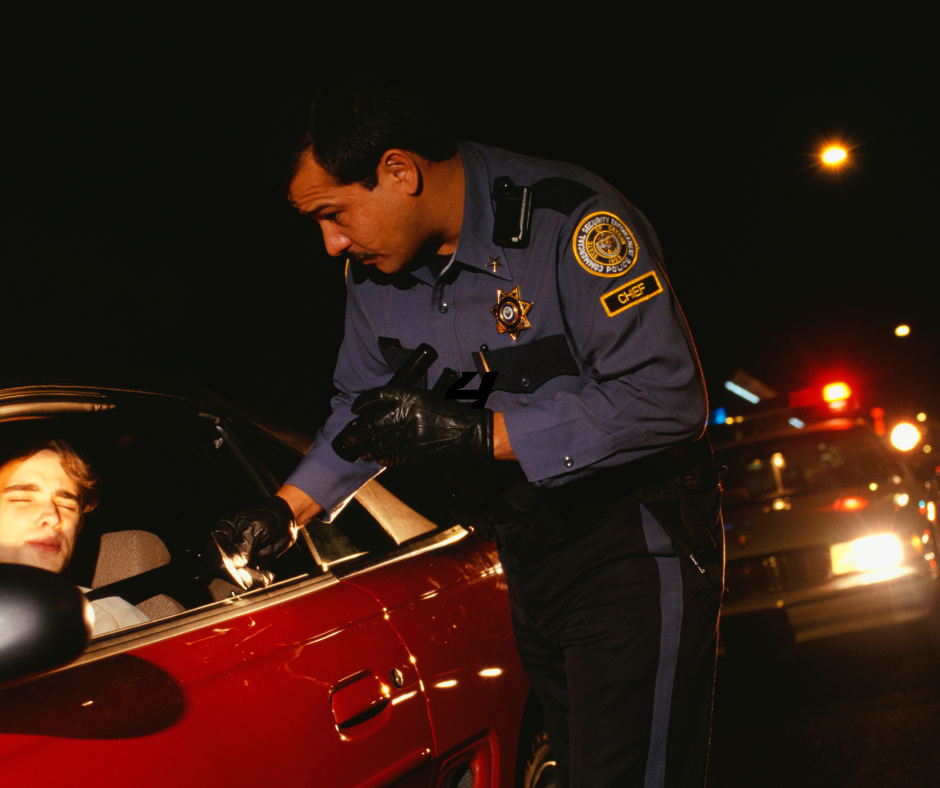
Can You Refuse Field Sobriety Tests in Virginia?

What Are Field Sobriety Tests?

Field sobriety tests (FSTs) are a series of tests used by police to check whether a driver may be impaired by alcohol or drugs, often during a traffic stop or DUI investigation. Examples of FSTs include:

These tests are intended to help an officer determine whether there is probable cause to arrest you for DUI. They are not the same as post-arrest chemical testing, such as a breath or blood test, which is used to measure your actual blood alcohol concentration (BAC).

Are You Required to Perform Field Sobriety Tests?

No, you are not required to perform field sobriety tests in Virginia. There is no implied consent law for field sobriety tests, unlike post-arrest chemical testing (breath or blood). This means you are not legally required to submit to these tests, and there is no statutory penalty for politely refusing to perform them.

Are Field Sobriety Tests and Breath or Blood Tests?

No, field sobriety tests are not the same as breath or blood tests. Field sobriety tests are a set of voluntary, physical and mental tests used by police during a traffic stop to gauge impairment. They are often used to help an officer establish probable cause for a DUI arrest, while breath or blood tests are conducted after an arrest to measure a driver’s actual blood alcohol concentration (BAC).

Breath and blood tests are governed by Virginia’s implied consent law, which applies after a DUI arrest. Implied consent means that by driving on Virginia roads, drivers agree to submit to post-arrest chemical testing to measure blood alcohol concentration (BAC), and refusing those tests can result in separate legal penalties.

What Happens If You Decline Field Sobriety Tests?

If you decline a field sobriety test during a traffic stop, you will not receive a separate charge, fine or automatic penalty. However, an officer may consider your refusal along with other signs of impairment, such as slurred speech or blood shot eyes, when deciding whether to arrest you for DUI. A prosecutor may also mention your refusal in court as part of the overall case, but it cannot be used by itself to prove guilt.

What to Do If Asked to Take Field Sobriety Tests

If you are asked to preform FSTs and would like to decline, keep these tips in mind:

  • Be calm and polite: Treat the officer respectfully to avoid escalating the situation.
  • Clearly state your refusal: You can simply say that you choose not to participate in the tests.
  • Avoid volunteering extra information: Stick to brief, factual responses and don’t offer explanations or excuses.
  • Stay aware of your surroundings: Ensure you are standing safely and remain cooperative without performing the tests.

What to Do If Charged with a DUI in Virgina

If you are charged with a DUI in Virginia, taking the right steps immediately can help protect your rights and your future:

  • Contact an experienced DUI attorney: An experienced traffic attorney at Driving Defense Law can explain your options, review the evidence, and represent you in court.
  • Gather relevant information: Collect police reports, witness statements, and any evidence from the stop or arrest.
  • Understand your court dates and deadlines: Missing important filings or hearings can hurt your defense.
  • Follow legal advice carefully: Your attorney can guide you regarding chemical tests, plea options, or possible defenses.

Quick Consult

Your Name(Required)
In which city or county did you receive your ticket?(Required)
Please note that we are only accepting cases in the above jurisdictions at this time.
EX: Reckless driving, DUI/DWI, eluding, hit and run, simple speeding, etc.

By providing your phone number, you agree to receive SMS updates, reminders, and important notifications from McCormick Law, PC d/b/a Driving Defense Law. Standard messaging rates may apply. You can opt out at any time by replying “STOP” to any message. View our Privacy Policy.

Opt In

Disclaimer: No attorney-client relationship exists or should be assumed as a result of this communication. By submitting this form, you are opting into our mailing list (your information will not be shared with anyone else).

Disclaimer

When Is a DUI a Felony in Virginia?

Driving under the influence (DUI) is a serious offense in Virginia. While most DUIs are misdemeanors, certain circumstances escalate the charge to a felony. Understanding these rules is critical for anyone facing DUI charges or learning about Virginia law.

What Is a Misdemeanor DUI in Virginia?

A misdemeanor DUI usually applies to first or second offenses within a 10-year period. Penalties can include:

  • Jail Time: Up to one year for a first or second offense.
  • Fines: Between $250 and $2,500.
  • License Suspension: One year for a first offense and up to three years for a second.
  • Six DMV Demerit Points: Remains to your driving record for 11 years.
  • Mandatory Alcohol Education: Completion of the Virginia Alcohol Safety Action Program (VASAP).
  • Ignition Interlock Device: Mandatory if you want a restricted license.

Misdemeanors are less severe than felonies but can still have long-term consequences for driving records, insurance rates and employment.

How Does a DUI Become a Felony in Virginia?

A DUI becomes a felony primarily under three circumstances:

  1. Third or subsequent DUI within 10 years.
  2. DUI resulting in serious bodily injury or death.
  3. DUI with a minor under 17 in the vehicle (combined with other aggravating factors).

Felony charges carry longer jail sentences, higher fines, indefinite license revocation, and possible vehicle forfeiture.

Why Is a Third DUI Within 10 Years Considered a Felony?

Virginia treats repeat DUI offenses harshly because repeat offenders pose higher public safety risks. A third DUI within 10 years becomes a Class 6 felony, with mandatory jail time, large fines, indefinite license suspension, and possible vehicle forfeiture. These penalties aim to deter dangerous driving behavior.

What Happens If a DUI Causes Serious Injury or Death?

If a DUI leads to serious bodily harm or death, felony charges like maiming or involuntary manslaughter may apply. Convictions carry long prison sentences, permanent criminal records, and significant civil liability. Legal guidance is essential to navigate these complex charges.

How Does a DUI With a Child in the Vehicle Affect Charges?

Driving under the influence with a child under 17 may increase penalties. While the DUI charge itself will not be elevated to a felony, if the DUI is accompanied by the transport of a minor (violation of Va. Code 16.1-278.9), Virginia law treats this as a serious aggravating factor.

If you’re facing a DUI in Virginia, it’s important to act quickly. Our experienced traffic law attorneys understand the local courts and can help you explore defenses, minimize penalties, and protect your record. Contact our office today to schedule a free consultation.

What Is a Federal DUI for Military Members?

If you were charged with DUI on a military base or other federal property, it’s normal to feel uncertain about what comes next. Unlike most DUI cases handled in state court, a DUI on federal property is a federal offense with different procedures and potentially stricter consequences. For service members, it can also affect your career. Understanding how federal DUI charges work the first step is toward protecting your record and your future.

What is a Federal DUI?

A DUI is a criminal charge for operating a motor vehicle while impaired by alcohol and/or drugs. Most DUIs are handled by state courts, but a DUI becomes a federal matter if it happens on federal property. This includes:

  • Military bases
  • National parks
  • Federal buildings and their parking lots
  • Other federally owned land

If you were arrested for DUI on a military installation or other federal property, your case will be handled in federal court, not state court.

How is a Federal DUI different from a State DUI?

The main difference is where the incident happened, and which laws apply. Federal DUIs are prosecuted under federal law, but in many cases, federal courts will apply the DUI laws of the state where the offense occurred. This is due to a law called the Assimilative Crimes Act, which allows federal courts to use state law for crimes that aren’t specifically covered by federal statutes. Beyond that, the consequences for a federal DUI are a bit different than the consequences for a state DUI in Virginia.

What are the Potential Consequences of a Federal DUI?

A federal DUI conviction in Virginia can have serious consequences, including:

  • Fines up to $5,000
  • Up to six months in federal prison
  • Up to 5 years on federal probation

For military members, there may be additional consequences, such as:

  • Effects on your career or future promotions
  • Administrative actions by your command
  • Impact on your security clearance

What Should You Do If You’re Charged with a Federal DUI?

Follow Protocol
Notify your command if required, and cooperate with any administrative processes. Failing to do so can lead to additional disciplinary action.

Understand Your Rights
You have the right to remain silent and to not incriminate yourself. Exercise these rights.

Consult a DUI Attorney
It’s important to consult with an attorney who is licensed and able to practice in federal court. A charge is not the same as a conviction, and they will be able to help you understand your options and build the best possible defense.

Do not face your DUI charge alone. At Driving Defense Law, we understand the unique challenges service members face when charged with a serious offense, like a DUI. Our experienced attorneys are licensed to practice in federal court and are prepared to help you navigate the process with discretion, confidence, and an aggressive legal strategy. Call us today at 757-929-0335 to begin building your defense. Or schedule a consultation here.

Why a DUI Lawyer Matters in Virginia

Hiring a DUI attorney in Virginia can make a critical difference in your case, helping to protect your rights and improve your chances of a favorable outcome. If you’ve been charged with a DUI in Virginia, you could be facing serious consequences such as hefty fines, license suspension, increased insurance rates, and even jail time. Here are a few reasons why skilled legal representation essential from the start.

A DUI Attorney Understands Virginia DUI Laws

Virginia’s DUI laws are strict, and penalties can vary based on your blood alcohol content (BAC), prior offenses, and whether there were aggravating factors like speeding or an accident. An experienced Virginia DUI lawyer understands the nuances of these laws and can use them to your advantage.

Your Attorney Will Review the Traffic Stop and Arrest

Not all traffic stops are legal. If the police lacked reasonable suspicion or probable cause, the stop or arrest may have been unlawful. An attorney will review discovery, such as body cam footage, and police reports to identify violations of your rights.

Your Attorney Can Challenge the Accuracy of Breath or Blood Tests

Breathalyzers and blood tests must be administered correctly and calibrated regularly. Your lawyer can challenge test results if:

  • The device was not properly maintained
  • The officer lacked certification
  • Chain of custody was broken during blood sample collection

If it is found that any results are inaccurate due to improper processes, an attorney can fight to get your charges reduced or dismissed.

A DUI conviction can impact your job, increase your insurance rates, and limit future opportunities. The experienced DUI attorneys at Driving Defense Law understand what is at stake and are committed to protecting your rights, guiding you through every step of the legal process, and fighting for the best possible outcome in your case. Call us today at 757-929-0335 or schedule your free consultation below:

Quick Consult

Your Name(Required)
In which city or county did you receive your ticket?(Required)
Please note that we are only accepting cases in the above jurisdictions at this time.
EX: Reckless driving, DUI/DWI, eluding, hit and run, simple speeding, etc.

By providing your phone number, you agree to receive SMS updates, reminders, and important notifications from McCormick Law, PC d/b/a Driving Defense Law. Standard messaging rates may apply. You can opt out at any time by replying “STOP” to any message. View our Privacy Policy.

Opt In

Disclaimer: No attorney-client relationship exists or should be assumed as a result of this communication. By submitting this form, you are opting into our mailing list (your information will not be shared with anyone else).

Disclaimer

How to Fight a DUI in Virginia

What Is a DUI in Virginia?

A DUI (Driving Under the Influence) in Virginia occurs when a driver operates a vehicle while impaired by alcohol or drugs. Being charged with a DUI can lead to fines, license suspension, and even jail time. However, a charge is not the same as a conviction, and there are legal defenses available that can protect your rights and future.

What Are Common DUI Defenses in Virginia?

1. Invalid Traffic Stop 

A law enforcement officer must have reasonable suspicion of a criminal offense or a traffic violation, such as speeding, running a red light, or swerving to conduct a stop. A stop is considered invalid if the officer has no specific, observed reason for pulling the driver over. Invalid stops may be deemed unconstitutional, and any DUI evidence collected afterward can be suppressed in court.

2. No Probable Cause

 Even after a valid traffic stop, an officer must have probable cause to arrest someone for DUI. This means there must be clear evidence of impairment, such as slurred speech, the smell of alcohol, open containers, or failed field sobriety tests. If an arrest is made without probable cause, any evidence collected afterward can be suppressed in court, potentially leading to reduced or dismissed charges.

3. Issues with Breath or Blood Tests

Chemical tests must follow strict procedures to be valid. Errors such as an improperly calibrated breathalyzer, an uncertified officer, or mishandled blood samples can make results unreliable. Challenging the accuracy or reliability of these tests can weaken the prosecution’s case, potentially leading to reduced or dismissed DUI charges.

Why You Need an Experienced DUI Defense Attorney in Virginia

Every DUI case is different, and defending against a conviction requires experience, strategy, and up-to-date legal knowledge. At Driving Defense Law, our attorneys combine advanced DUI training with a deep understanding of Virginia law to build the strongest possible defense. Call us today at 757-929-0335 or schedule a consultation here and begin planning your defense to save your future.  

Quick Consult

Your Name(Required)
In which city or county did you receive your ticket?(Required)
Please note that we are only accepting cases in the above jurisdictions at this time.
EX: Reckless driving, DUI/DWI, eluding, hit and run, simple speeding, etc.

By providing your phone number, you agree to receive SMS updates, reminders, and important notifications from McCormick Law, PC d/b/a Driving Defense Law. Standard messaging rates may apply. You can opt out at any time by replying “STOP” to any message. View our Privacy Policy.

Opt In

Disclaimer: No attorney-client relationship exists or should be assumed as a result of this communication. By submitting this form, you are opting into our mailing list (your information will not be shared with anyone else).

Disclaimer

Negotiating Plea Bargains: How It Affects Military Personnel

Plea bargains and plea agreements have been used in the United States Army to alleviate overcrowded dockets. The idea behind these agreements is to allow military defendants to plead guilty to certain charges in exchange for a lighter sentence. The discretion to implement the plea bargaining process was given to various court martial authorities who had to follow a formal process tailored to the military justice system. Pretrial agreements have now become a common practice in the military legal system. In fact, negotiated pleas are now as prevalent in military cases as they are in civilian criminal jurisdictions. However, there is much more to know about these plea bargains and what they can mean for military personnel. If you need further information about these deals or want to review your legal options, consider contacting a lawyer from Driving Defense Law by calling (757) 929-0335.

How Do Plea Bargains Work With Military Personnel?

According to the United States Department of Justice Office of Justice Programs, a plea agreement is a contract between a convening authority and an accused individual. In this agreement, the individual being charged decides to plead guilty in exchange for the authority’s promise to approve a particular punishment. The following promises may be made in a plea bargain:

  • An exchange of an admission of guilt for a reduction in the sentence imposed 
  • An exchange of an admission of guilt for a specific maximum sentence 
  • A discharge in lieu of court-martial
  • Getting rid of certain charges or not referring to any of the other charges
  • Referring the issues to a special court-martial, which may result in a less severe sentence
  • Referring a possible capital case as a non-capital case

A military plea bargain can also include trading an admission of guilt for an offense that is punishable by a dishonorable discharge imposed by the military court. However, in return, the accused will receive the assurance that he or she will not go to trial but instead be administratively discharged. While this agreement can be entered at any point before the court-martial findings are announced, the accused needs to accept the provisions freely and comprehend the outcome. The deal also cannot deprive the accused of the ability to obtain an attorney and have a fair trial. Furthermore, the plea agreement will only become binding in the military if it is approved by a judge. 

Are There Limitations to Plea Bargains?

Although plea bargains in the military are relatively standard, military judges will not accept every agreement presented to them. In most instances, they will not approve a pretrial agreement if:

  • There is a provision in the agreement that both sides have not agreed to
  • There is a provision in the agreement that the individual being charged does not comprehend
  • The punishment in the agreement is below the required minimum as outlined in the Uniform Code of Military Justice (UCMJ) and no exception applies. The UCMJ is enacted by Congress and contains procedural and substantive laws governing the military legal system
  • The agreement contradicts a rule that dictates the conditions, terms, or other parts of the plea bargain 
  • The plea agreement is against the law

If you want to understand more about what these limitations can mean for a plea bargain or how they can personally impact your case, consider discussing your questions with an experienced Virginia defense attorney at Driving Defense Law. 

The Differences Between a Civilian Plea Bargain and a Military Plea Bargain

Although a civilian plea bargain and a military plea bargain are very similar, there are numerous differences between the two processes, such as the following:

  • Military judges cannot participate in conversations regarding the conditions or terms of the plea bargain. In comparison, judges handling civilian plea bargains can join in the process. 
  • A civilian trial judge will split control to make sure that the individual being charged accepts a fair agreement. That is why the trial judge will work with other courts to make sure there is compliance with the laws and fundamental fairness.
  • Military judges will inquire about the accused’s guilty plea before approving a pretrial agreement. This specific procedure, referred to as a providence inquiry, will occur when the other members of the court are not present. 
  • The prosecution and defense in civilian cases are typically more adversarial in nature than those involved in military plea bargains. This is due to the military’s hierarchical structure and the fact that both sides are working within the same system. 

In addition, the consequences of violating military plea bargains are often harsher than those in civilian court. Military plea bargains are considered binding agreements. If the accused violates the terms, serious repercussions can follow, such as a nullification of the plea deal and potentially more severe charges. Overall, while there are similarities between civilian and military plea bargains, the differences in process and consequences make it important for those facing charges in either setting to fully understand the specific procedures and implications of entering into a plea bargain.

The Issues Surrounding a Plea Agreement

Plea bargaining is a widely used process in the military justice system, with the intention of saving time, resources, and money. These bargains also generally offer military personnel an opportunity to obtain protection against severe punishments. However, while many believe these deals are beneficial, they are surrounded by controversy. For instance, some people oppose these agreements on the grounds that they allow perpetrators to avoid taking responsibility for their actions. Others may argue that plea agreements can be coercive and undermine an individual’s legal rights because they place undue pressure on the accused to plead guilty, whether guilty or not, in order to avoid harsher penalties. Despite these concerns, the Supreme Court has found plea agreements to be constitutional as long as they are made lawfully and lead to reasonable, accurate, and consistent sentences. 

Find Out More About Plea Bargains and Their Impact on Military Personnel By Speaking With an Attorney Today

If you are a military member or personnel, you may not want to work on a plea bargain alone. If you are being offered a plea bargain or want further information about the process, an attorney may be able to review your options, determine your next steps, and help you to make the right choice for your future and military career. To review your case and any questions you have regarding plea bargains, consider contacting an experienced criminal defense attorney at Driving Defense Law today by calling (757) 929-0335 to schedule a consultation. 

Sobriety Checkpoints in Virginia: What to Know

What Is a Sobriety Checkpoint in Virginia?

A sobriety checkpoint, also known as a DUI checkpoint, is a temporary roadblock set up by law enforcement to briefly stop drivers and look for signs of impaired driving. The goal of sobriety checkpoints in Virginia is to deter drunk or drug-impaired driving and reduce DUI-related crashes.

Are Sobriety Checkpoints Legal in Virginia?

Yes, sobriety checkpoints are legal in Virginia.

Some drivers believe DUI checkpoints violate the Fourth Amendment’s protection against unreasonable searches and seizures. However, the United States Supreme Court ruled in Michigan Department of State Police v. Sitz that sobriety checkpoints can be constitutional when they are conducted under strict guidelines and for the primary purpose of public safety.

In Virginia, sobriety checkpoints must follow specific rules and procedures. If law enforcement fails to follow these requirements, the legality of the checkpoint, and any DUI arrest that results from it, may be challenged.

What Happens at a DUI Checkpoint in Virginia?

As you approach a DUI checkpoint, you should see clearly marked signs warning drivers of the checkpoint ahead. Once you stop, an officer will usually:

  • Ask for your driver’s license and vehicle registration
  • Briefly observe you for signs of impairment, such as the smell of alcohol, slurred speech, or bloodshot eyes
  • Ask a short, general question, such as “Have you had anything to drink tonight?”

These interactions are designed to be brief. If the officer does not observe signs of impairment, you will typically be allowed to continue driving. If the officer develops reasonable suspicion of impairment, you may be asked to complete further screening.

Do I Have to Show My License at a Sobriety Checkpoint?

Yes. A sobriety checkpoint is considered a lawful traffic stop in Virginia, which means you must provide your driver’s license when asked. An officer may also legally request your vehicle registration and proof of insurance.

Do I Have to do Field Sobriety Tests at a Sobriety Checkpoint?

If an officer has reasonable suspicion that you are under the influence of drugs or alcohol, you may be asked for preform field sobriety tests. If there is no reasonable suspicion, law enforcement cannot make any driver submit to any type of testing. 

However, in Virginia, field sobriety tests are voluntary meaning drivers are not required to complete the tests under law. You will not face legal penalties for declining to participate in field sobriety tests, however it is important to understand, that refusing field sobriety tests does not automatically end the stop. The officer may continue the investigation based on other observations.

Can I Avoid a Sobriety Checkpoint? 

Yes, you can legally avoid passing through a sobriety checkpoint so long as you do so safely and lawfully.

Acceptable ways to avoid a checkpoint may include turning onto a different road before reaching it or pulling into a parking lot. Attempting to avoid a checkpoint by making an illegal U-turn, speeding away, or violating traffic laws can result in a separate traffic stop and potential charges.

Have You Been Charged with a DUI after a Sobriety Checkpoint?

Fill out the form below to set up a call with a member of our team today!

Quick Consult

Your Name(Required)
In which city or county did you receive your ticket?(Required)
Please note that we are only accepting cases in the above jurisdictions at this time.
EX: Reckless driving, DUI/DWI, eluding, hit and run, simple speeding, etc.

By providing your phone number, you agree to receive SMS updates, reminders, and important notifications from McCormick Law, PC d/b/a Driving Defense Law. Standard messaging rates may apply. You can opt out at any time by replying “STOP” to any message. View our Privacy Policy.

Opt In

Disclaimer: No attorney-client relationship exists or should be assumed as a result of this communication. By submitting this form, you are opting into our mailing list (your information will not be shared with anyone else).

Disclaimer

Can You Get A DUI If You Are Under The Legal Limit?

Virginia residents enjoying a social occasion may feel tempted to drink a small amount of alcohol before driving home from the event, thinking that their limited consumption is unlikely to do any harm. Before they realize their coordination and reflexes may be impaired, these motorists may find themselves in an unexpected encounter with Virginia law enforcement, answering questions and being asked to perform field sobriety tests. Many drivers are unaware of how little alcohol it takes to result in significant impairment, and as a result may end up facing allegations of driving while intoxicated (DWI) despite consuming only a small amount of alcohol. Can a motorist face aDWI charge while under the legal limit? Perhaps the most effective way to answer this question is to speak to an experienced Virginia traffic attorney with Driving Defense Law. Consider calling (757) 929-0335 for a free consultation to discuss your legal options. 

What Is a DWI in Virginia?

In Virginia, as in most other states, DWI means driving while intoxicated. This is essentially the same as driving under the influence (DUI) or driving while under the influence of marijuana, drugs, or other intoxicants (DUID). The main difference is that while a DUI or DUID charge can apply to driving under the influence of alcohol or drugs, a DWI charge is related to alcohol. Specifically, DWI charges apply when the driver has a blood alcohol content (BAC) of 0.08% or higher. 

While the definition of “intoxicated” is usually based on BAC, Virginia residents and visitors may be surprised to discover that the definition of “driving” varies from state to state. The Code of Virginia actually makes it illegal, under § 18.2-266, to drive “or operate” a motor vehicle while intoxicated. The Supreme Court of Virginia has generally interpreted the “or operate” language to include any situation in which the person charged has physical control of the vehicle. Therefore, individuals can still be charged with DWI or DUI in Virginia if they are sitting behind the wheel with the key in the ignition, even if they are sleeping or listening to the radio with no intention of moving the vehicle. 

Can a Driver Be Impaired While Under the Legal Limit?

The Virginia Department of Motor Vehicles states that the legal limit for drivers over the age of 21 is 0.08%, and a driver of legal drinking age whose BAC is 0.08% or higher is presumed to be driving under the influence. Drivers under 21 with a BAC of 0.02-0.08% can be convicted with no other evidence, in keeping with the spirit of § 4.1 Va. Stat., which makes it unlawful for individuals under 21 to consume alcohol at all under most circumstances. Generally speaking, a person who is legally permitted to purchase and consume alcohol can remain under the legal limit after drinking a small amount. That being said, even one or two drinks can have the ability to impair a driver. 

A driver struggles to divide their attention between two or more visual stimuli at a BAC of 0.02% or lower, according to a 1999 study in the Journal of Alcohol Research & Health hosted by the National Library of Medicine. When BAC reaches 0.05%, eye movement, visual perception, reaction time, glare resistance, information processing, and various other functions necessary for safe driving can become impaired. If they reach a degree of impairment sufficient to justify probable cause for a traffic stop, a driver can face DWI charges even while under the legal limit. 

How Many Drinks Is .08 for a Woman?

Men and women absorb and metabolize alcohol differently. This sexual difference is attributable to a number of biological factors, with average size featuring among the most prominent. An important implication of this metabolic difference is that women, on average, are likely to experience greater degrees of intoxication-related impairment than men after consuming similar amounts of alcohol.

Women

In addition to having a lower average body mass overall than men, women generally have smaller amounts of water in their systems to dilute the alcohol entering their bodies with each drink. Increasing the sexual disparity, women also typically have lower levels of active alcohol-metabolizing enzyme alcohol dehydrogenase (ADH) in their stomachs. As a result, more of the alcohol women drink reaches their bloodstream, according to the National Institute of Alcohol Abuse and Alcoholism. The combination of these factors means that women generally reach a BAC of 0.08% after at least four drinks in approximately two hours. 

Men

Men have larger livers and, on average, more body mass than women, which lets them absorb and metabolize alcohol with greater ease. As a result, it generally takes men more alcohol to reach the same BAC as a woman enjoying the same number of beverages. Men tend to reach a BAC of 0.08% after at least five drinks within two hours. 

Other Factors That Impact Blood Alcohol Content Level

While body water, enzymes, liver size, and body mass all affect BAC, many other factors also play a role. Some of these factors include: 

  • The strength of the drink (two drinks made with half a shot each will have the same impact as one drink with one full shot, for example)
  • Drinking pace
  • Food consumption (consuming alcohol with food may slow a drink’s absorption into the bloodstream)
  • Age
  • Proportion of body mass that is fatty tissue
  • Genetics

If you have questions about how these factors may affect your DWI case, knowledgeable attorneys with Driving Defense Law may be able to assist you. 

How Can You Be Charged With DWI if Your BAC Is Under the Legal Limit?

A DWI or DUI charge typically begins with a traffic stop. Law enforcement may pull a driver over if they notice possible indications of drinking and driving, such as: 

  • Jerky or abrupt stops
  • Weaving across lane lines
  • Swerving
  • Hitting or nearly hitting another vehicle or object
  • Drifting
  • Turning with a wide radius
  • Parking too far from the curb or at an odd angle

After initiating a traffic stop on suspicion of DWI, officers look for other indicators of intoxication. These may include: 

  • Slurred speech
  • Difficulty getting out of the vehicle
  • Difficulty operating the vehicle controls (struggling to put the car in park or pull the key from the ignition, for example)
  • Fumbling for their license or registration
  • Repeating questions or answers or extremely slow responses
  • Unsteady and swaying posture, difficulty maintaining balance, leaning against the vehicle or other objects
  • An odor of alcohol emanating from the driver or vehicle

If the officer notices any of these indications, they may administer a breath test. Drivers have the right to refuse a breath test in the field, but an officer who suspects DWI may then place the driver under arrest, activating Virginia’s implied consent laws. In the event that a driver is arrested for DUI, the arresting officer will document the details of the interaction and any signs of impairment the driver displayed during the traffic stop in their official report, which the prosecution may then use in building the DWI case.

What Is the Lowest Level of DWI?

The penalties for a DUI conviction depend, in part, on the accused’s record of prior offenses. First and second offenses are usually misdemeanors, while third and subsequent offenses are felonies. However, a driver can be charged with a felony DWI for a first offense if they seriously injure or kill someone. As long as the prosecution can prove the defendant was impaired, the felony DWI charge may lead to a conviction even if the driver’s BAC was under the legal limit. 

In addition to the consequences listed below, the defendant in a DWI case must attend Alcohol Safety Action Program (ASAP) classes. They may also be subject to the installation of ignition interlock devices on their vehicles, face suspended or revoked licenses, and incur points on their driving records. 

Misdemeanor

First and second offenses are Class 1 misdemeanors. For a first conviction, a driver faces a minimum $250 fine, in addition to which a BAC between 0.15% and 0.19% will trigger a mandatory minimum 5-day jail sentence. A BAC above 0.20% leads to a mandatory minimum jail sentence of 10 days. 

For second offenses that occur less than five years from the first, the driver will face a minimum $500 fine and 20 days in jail in addition to the minimum jail time from the first offense related to their BAC. Second offenses that occur five to ten years from the first offense also trigger minimum $500 fines, but with 10-day jail sentences.

Felony

DWI charges become Class 6 felonies for third and subsequent offenses. If the third offense is within five to ten years of the first, the driver faces a minimum $1,000 fine and 90 days in jail –plus applicable jail times from the first offense. Third offenses that are less than five years from the first also lead to minimum fines of $1,000 – but with six months in jail plus applicable jail times from the first offense. A fourth offense less than ten years from the first comes with a minimum $1,000 fine and one year in jail, plus applicable jail sentences for the first offense(s).

Have You Been Charged With Driving While Intoxicated?

Explaining the circumstances of a DWI to criminal courts in Virginia can be intimidating, regardless of the BAC level involved. Legal representation allows defendants to approach this challenge with confidence and efficiency. An experienced traffic attorney may be able to develop defense strategies that increase the chances of dismissal, or improve the chances of reduced penalties. Those charged with driving under the influence may consider contacting Driving Defense Law at (757) 929-0335. Reach out today to schedule a free consultation to discuss your legal options and learn more about DWI under the legal limit in Virginia.

Why You Should Contest A Traffic Ticket

Seeing those flashing lights behind you can be a scary experience. You might try to talk your way out of it but still wind up with a ticket. While the easy solution may be to simply pay the fine, this decision can have long-lasting consequences. For this reason, you might consider consulting with a traffic defense lawyer about why you should contest a traffic ticket. You can reach a knowledgeable lawyer through Driving Defense Law by calling (757) 929-0335. 

Consequences of Paying a Traffic Ticket

When someone pays a traffic ticket, they are accepting legal responsibility for the offense law enforcement cited them for. The driver is giving up their right to require the prosecution to prove the charges against them. They are also subjecting themselves to the following possible consequences:

Demerit Points 

According to the Virginia Department of Motor Vehicles (DMV), after a driver is convicted of a traffic violation, the DMV populates the conviction into their driving record. The DMV also assigns demerit points according to a scale calibrated to account for the severity of various traffic infractions. 

The DMV assigns three points for various offenses, including the following:

  • Speeding 1 to 9 mph above the speed limit as posted
  • Impeding traffic 
  • Improper passing
  • Improper driving
  • Stopping on a highway
  • Changing course after signaling 
  • Driving through a safety zone
  • Driving over a fire hose
  • Driving on a sidewalk 
  • Evading a traffic control device
  • Driving without lights
  • Making an improper turn
  • Driving in violation of a restricted license 
  • Failing to stop at the scene of a crash with an unattended vehicle

The DMV assesses four demerit points for such violations as:

  • Reckless driving – failing to stop before entering a highway
  • Speeding 10-19 mph above the speed limit 
  • Failing to stop for a pedestrian 
  • Failing to yield the right-of-way
  • Following too closely
  • Failing to obey railroad crossing signals
  • Operating a motor vehicle while on a suspended driver’s license with a blood alcohol content of 0.02% or more

The most serious traffic offenses result in six demerit points assessed by the DMV. These offenses include violations such as:

  • Reckless driving – speeding in excess of 85 mph
  • Speeding 20 mph or more above the speed limit
  • Driving while intoxicated
  • Driving under the influence of drugs
  • Involuntary manslaughter
  • Driving after being declared a habitual offender 
  • Driving on a suspended license 
  • Failing to stop at the scene of a crash resulting in injury
  • Attempting to elude police

License Suspension 

If drivers accumulate a certain number of demerit points within a specified time period, their license can be suspended. This can occur if drivers accumulate 18 points within 12 months or 24 points within 24 months. 

Before a driver’s license is suspended, they can try to challenge the basis for one or more of the tickets at a traffic hearing. An experienced lawyer from Driving Defense Law can evaluate the circumstances, explain your legal options, and make recommendations about how to prevent license suspensions. They can also represent you at the hearing. 

Jail Time and Fines

Some traffic offenses, like reckless driving, rise to the criminal level. A conviction could result in possible jail time. 

Depending on the offense, a single traffic offense can also result in fines of hundreds of dollars. These fines may prove difficult to pay if the individual is not making money because they are in jail or have lost their job due to jail time. 

Higher Insurance Premiums

The DMV may sometimes directly notify a driver’s insurance company of the conviction. Even if that does not occur, the insurance company can run periodic checks on any driving record associated with the policy. This review can result in the insurance company requiring a much higher premium at the policy’s next renewal date. For many people, these higher insurance premiums far outweigh the costs of hiring a traffic defense lawyer to contest a traffic ticket. 

Options for Dealing With Traffic Tickets 

If a driver has recently received a ticket for a driving infraction in Virginia, they may have some options, including disputing a ticket. Drivers should carefully consider each option and the potential consequences before making a decision. 

Pay the Ticket

Drivers can generally use the Virginia Courts website to pay tickets, but they should keep in mind there are consequences to paying the ticket. Drivers will be assigned demerit points on their license. Depending on how many demerit points the driver already has, they may face license suspension.

Contest the Ticket 

If a driver believes they were ticketed in error or has a viable defense, they have the option to contest the ticket instead of paying the fine. Contesting the ticket may not always result in having to go to court. If a driver opts to hire a lawyer, the lawyer may be able to negotiate an agreement with the prosecutor to reduce the charge or to dismiss the case, depending on the circumstances. 

Request Alternative Sentencing

Depending on where the driver received the ticket and the law enforcement agency that ticketed them, there may be alternative sentencing options. These options often allow a person to take a class to reduce their charge, lower the potential demerit points added to their driving record, or avoid a conviction. 

Possible Defenses Against Traffic Offenses

There may be various defenses against a traffic offense if a driver wants to dispute a traffic ticket. These defenses will depend on the facts and circumstances surrounding the case. Some examples of defenses drivers could raise may include:

  • They had to commit the driving error to avoid an accident. 
  • There was an emergency. 
  • The law enforcement officer’s equipment was not properly calibrated and cannot be used to prove the charges against the driver. 
  • The law enforcement officer failed to show up to court to testify about what they saw that prompted them to issue the ticket. 

Experienced traffic defense lawyers may be able to review a driver’s case and help the driver determine the potential defenses that could apply to their case. 

Traffic Ticket Process in Virginia

Traffic tickets typically list a court date and location in case the driver decides to contest it. Traffic cases are held in the General District Court, whose listing is provided by Virginia’s Judicial System, in the county where the ticket was issued. Most traffic cases that are heard in District Court do not have a jury and are heard by a judge who makes the final decision. Some courts separate traffic court from criminal court, while others mix the two. 

Traffic Court Dockets

Cases are usually listed on a docket, which will state which courtroom the case will be held in. Most traffic cases are heard in the same room as all the other traffic cases to be handled that day. Cases are listed on the court’s docket, which is a log of all the cases that will be heard that day. The docket will tell drivers which courtroom traffic cases are being heard in, and most traffic cases are heard in the same room as all other traffic cases on the same docket. 

Entering a Plea and Examining Witnesses in Traffic Court

When your case is being heard, the judge may first ask whether you wish to plead guilty or not guilty to the offense. Then, the judge may ask you questions about the event. If the officer who stopped you is present, they may testify about why they ticketed you. If you have a lawyer, they will have a chance to cross-examine the officer and any other witnesses who are called in the case. 

Reach Out for Help From an Experienced Traffic Defense Lawyer

Misdemeanor traffic offenses do not carry penalties as stiff as criminal charges, but they can still involve serious consequences. If you would like to contest a traffic ticket in Virginia Beach, Suffolk, Chesapeake or the surrounding areas, consider contacting a skilled traffic defense lawyer with Driving Defense Law for help. Call or text (757) 929-0335 today.